Using IoT Data to Improve Soap Consumption Management
Sustainability programs in facilities management often prioritise highly visible issues such as energy efficiency, emissions reduction, and plastic use. Less visible forms of waste, particularly those embedded in daily operations, are frequently overlooked. Liquid soap consumption in restrooms is one such area, largely because it is rarely measured
In most facilities, soap usage data is not available. As a result, procurement decisions are based on estimates rather than evidence. To avoid the operational risk of empty dispensers, managers typically over-order supplies. This practice leads to a series of predictable outcomes: excess inventory, product expiry, and avoidable storage costs. Liquid soap generally has a shelf life of one to three years, and unused stock can degrade or expire before it is required. Surplus inventory also occupies valuable space and may require climate-controlled storage, adding further cost and energy use.
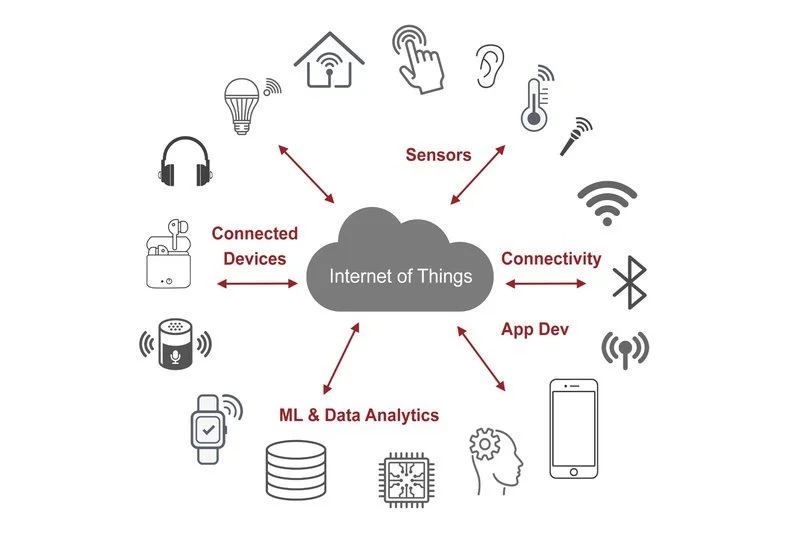
Internet of Things (IoT) technology offers a practical solution to this problem by introducing direct measurement into routine operations. Sensors integrated into soap dispensers can track usage volume, frequency, and location in real time. This data provides facilities teams with a clear understanding of consumption patterns across buildings and time periods.
With accurate usage information, procurement can move from precautionary over-supply to data-driven planning. Orders can be matched to actual demand, reducing excess stock, minimising expiry-related waste, and lowering storage requirements. Over time, this also reduces upstream impacts associated with unnecessary manufacturing and transport.
Solutions developed by Mezrit (www.mezrit.com) demonstrate how IoT-enabled visibility can convert an unmeasured operational activity into actionable insight.
Improving sustainability does not always require complex interventions. In many cases, meaningful gains are achieved by applying better data to everyday decisions.