The Hidden Waste Crisis Nobody Talks About
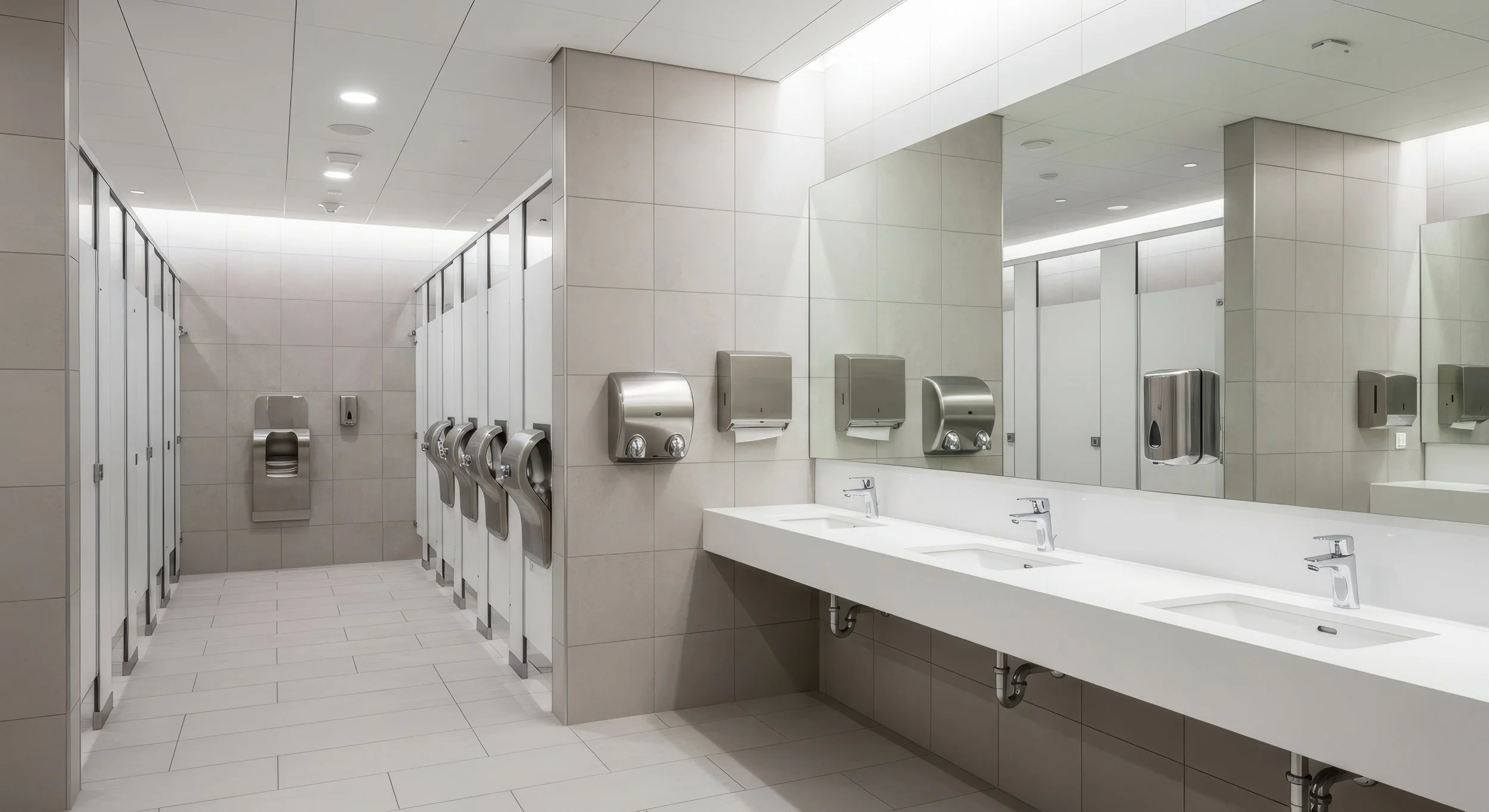
We obsess over carbon footprints and plastic bottles, but there's a sustainability blind spot most organisations overlook.
Soap waste.
Yes, soap. Before you scroll past, consider this: facilities across the globe are wasting resources through something as mundane as hand soap dispensers. And almost nobody realizes it's happening.
The Invisible Problem
Here's the issue: facility managers operate blind. Without knowing actual soap usage, they're forced to guess when ordering supplies. The default? Order more than needed, just in case. This creates a domino effect of waste that most organisations never see coming.
First, there's over-purchasing. That "better safe than sorry" mentality means 20-30% excess soap sitting in storage rooms. Second, soap expires. Those bottles gathering dust aren't just taking up space, they're slowly becoming unusable, with expiration dates typically ranging from one to three years. Third, storing all that excess soap costs money and energy premium real estate dedicated to products you may never use.
The Data-Driven Solution
This is where IoT technology changes everything. By installing sensors that monitor dispenser usage in real-time, we can finally see what's actually happening. How much soap is dispensed? When? Where are the high-traffic areas?
With this data, purchasing transforms from guesswork to precision. You know exactly how much soap you need, when you need it, and can order accordingly. No more expired products. No more wasteful over-ordering. No more using valuable storage space for unnecessary inventory.
The environmental impact? Reduced manufacturing demand, fewer transportation emissions, less waste—all from simply knowing your numbers.
Sometimes the biggest sustainability wins come from solving the problems we overlook.