What Your Handwashing Data Is Really Telling You
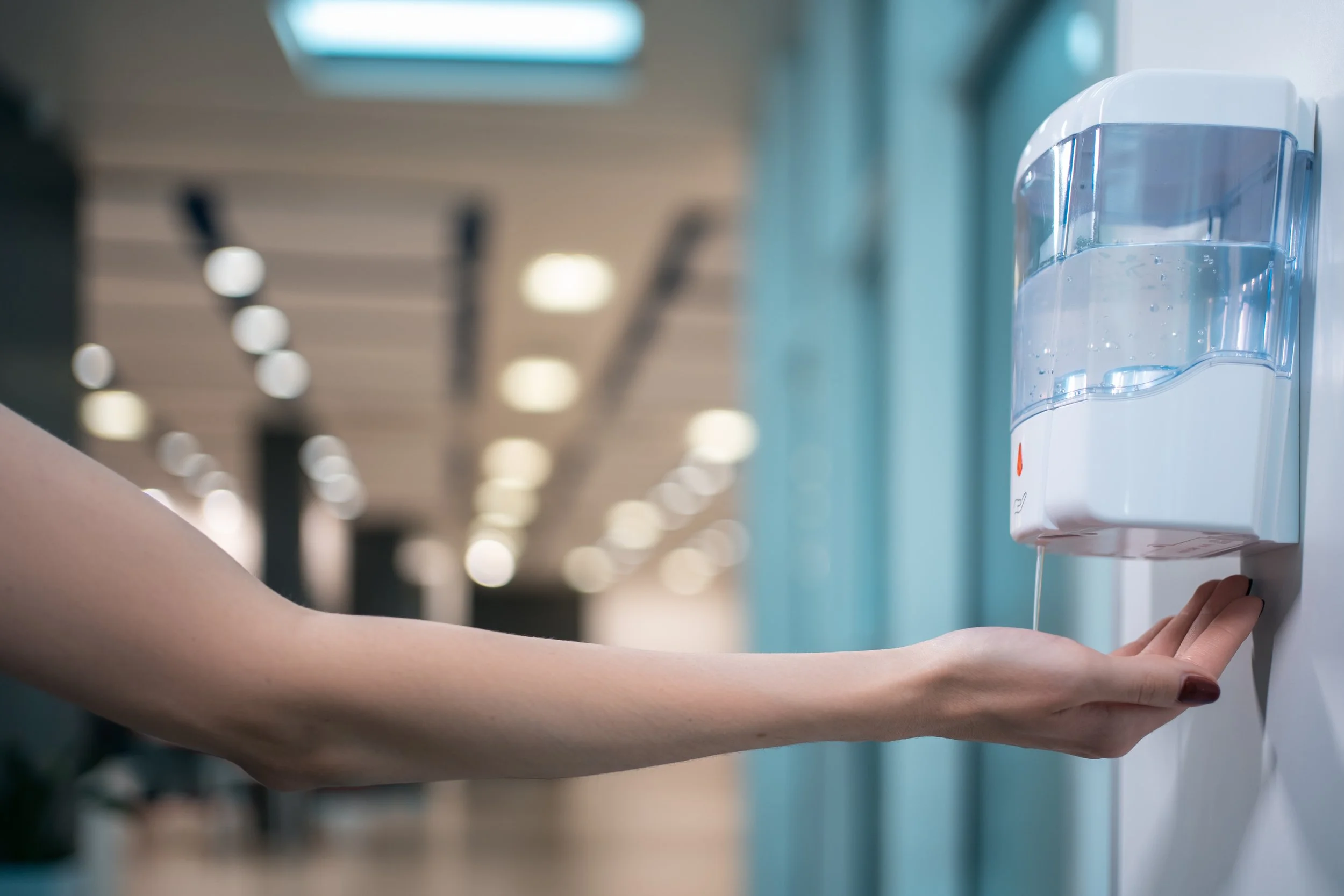
We measure everything in modern facilities—energy consumption, foot traffic, equipment performance. But one of the most critical hygiene behaviors remains largely invisible: handwashing trends.
Until now.
Beyond Compliance: Understanding Behavior
The Mezrit Universal Dispenser Monitoring System tracks soap usage at the individual dispenser level in real-time. Every dispense. Every refill. Every pattern across your entire facility network.
But here's where it gets interesting: when you know the approximate number of people associated with specific dispensers, raw usage data transforms into behavioral insights. You're no longer just tracking soap consumption you're monitoring actual handwashing trends.
Real-World Example: Shift Changes
Consider a handwashing area serving 50 employees during shift change. Mezrit's data reveals usage spikes or concerning valleys. Are handwashing rates dropping during rush periods when time pressure is high? Does compliance improve on certain days or times?
One facility discovered their highest-traffic shift change showed 30% lower handwashing rates than expected. The culprit? Insufficient dispensers causing bottlenecks. People were skipping handwashing to avoid delays.
The Vendor-Agnostic Advantage
Mezrit's secure IoT platform works with any dispenser brand, eliminating vendor lock-in while providing unified data across all sites. Whether you're managing one building or a global portfolio, you see consistent, comparable handwashing metrics everywhere.
This matters in healthcare settings where hygiene compliance is critical. It matters in food service where safety is paramount. It matters anywhere human behavior intersects with public health.
From Blind Spots to Insights
The question isn't just "how much soap are we using?" It's "are people actually washing their hands when they should?"
Mezrit turns that question into data you can act on.