Why Data Matters: Measuring What We've Always Guessed At
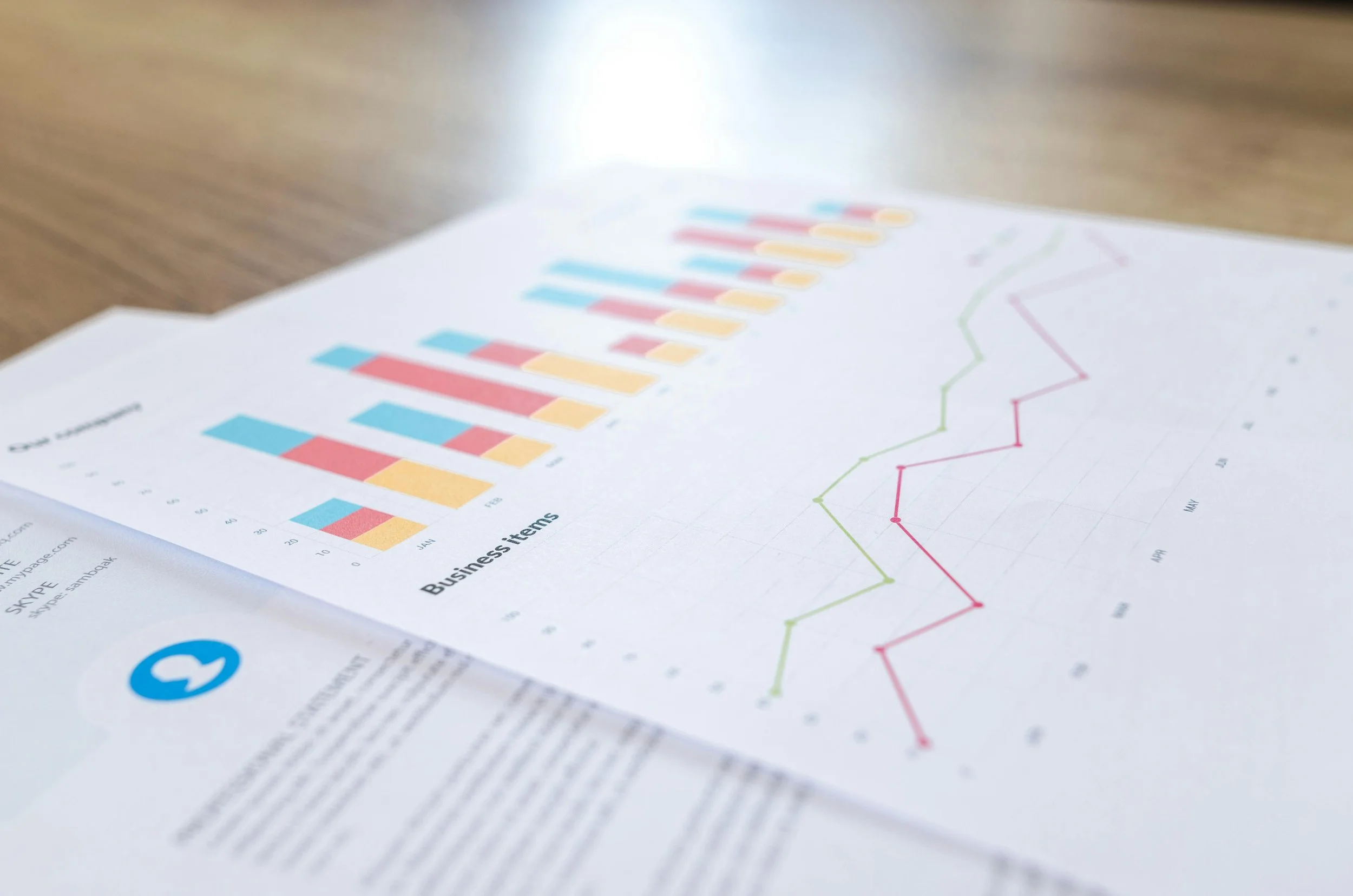
With a background in Economics and business, I've learned one fundamental truth: you can't manage what you don't measure. Yet when it comes to hand soap dispensers, most facilities are flying blind—making decisions based on assumptions rather than data.
This matters for two critical reasons: sustainability and monitoring average handwashing events.
The Data Gap
Without visibility into actual soap usage, facilities over-order to avoid running out, leading to expired product waste and unnecessary storage costs. Simultaneously, they have no insight into average handwashing events across their facilities. It's a dual blind spot affecting both environmental impact and behavioral understanding.
What Mezrit Measures
The Mezrit Universal Dispenser Monitoring System tracks soap usage at the individual dispenser level in real-time. We monitor every dispense and every refill across your entire facility network through a vendor-agnostic, secure IoT platform that works with any dispenser brand.
But here's where measurement becomes insight: when you know the approximate number of people associated with specific dispensers, usage data reveals handwashing trends.
Example: Shift Change Analytics
Consider a handwashing area serving 50 employees during shift change. Mezrit's data shows the average number of handwashing events per person during that period. One manufacturing facility discovered their busiest shift change had 35% fewer handwashing events than quieter periods—people were skipping handwashing to avoid queues.
With this data, they added dispensers and saw immediate improvement in handwashing frequency.
Sustainability Meets Behavioral Insights
Data-driven dispenser management delivers dual benefits. Order precisely what you need, eliminating waste from over-purchasing and expiry. Simultaneously, monitor average handwashing events to understand behavioral patterns across high-traffic facilities, healthcare settings, and food service operations.
From an economics perspective, it's simple: measure accurately, optimize efficiently, improve outcomes.